Preparation
Preparation: Build Margin into the Journey
Preparation is not about predicting everything. It is about leaving enough room that the unpredictable becomes an inconvenience rather than a problem.
Fatigue is the real limit
A touring motorcycle will cover far more ground in a day than its rider should. Wind pressure, engine vibration, noise, temperature swings and constant small decisions add up quietly. By the time you notice tiredness, your reaction time has usually been slipping for a while. That is why a considered plan sets its daily distance by the rider, not by the map.
The UK Highway Code advises a break of at least 15 minutes after every two hours of driving, and warns against driving when tired. Treat that as the floor. On a hot day, in heavy rain, or on twisting mountain roads, stop more often. Signs worth respecting include yawning, heavy eyelids, missing a planned turn, drifting in the lane or noticing that you cannot remember the last few miles.
Realistic distances vary with the road. On mixed rural and mountain roads, 150 to 250 miles is a full and enjoyable day with time for stops. On a long, open main road you can manage more, but the trip is not improved by doing so every day. Plan one shorter day for every three or four full ones, and keep at least one completely unplanned day in any trip longer than a week.
Arrive with daylight in hand and energy left for the town you came to see.— Roverzandumi riding principle
A realistic riding day
Here is the shape of a day we often use on a mountain tour. The times are a framework, not a timetable; the point is that every block has slack.
07:30 Breakfast, then check the forecast for the highest point on today's route, not just the town you are leaving.
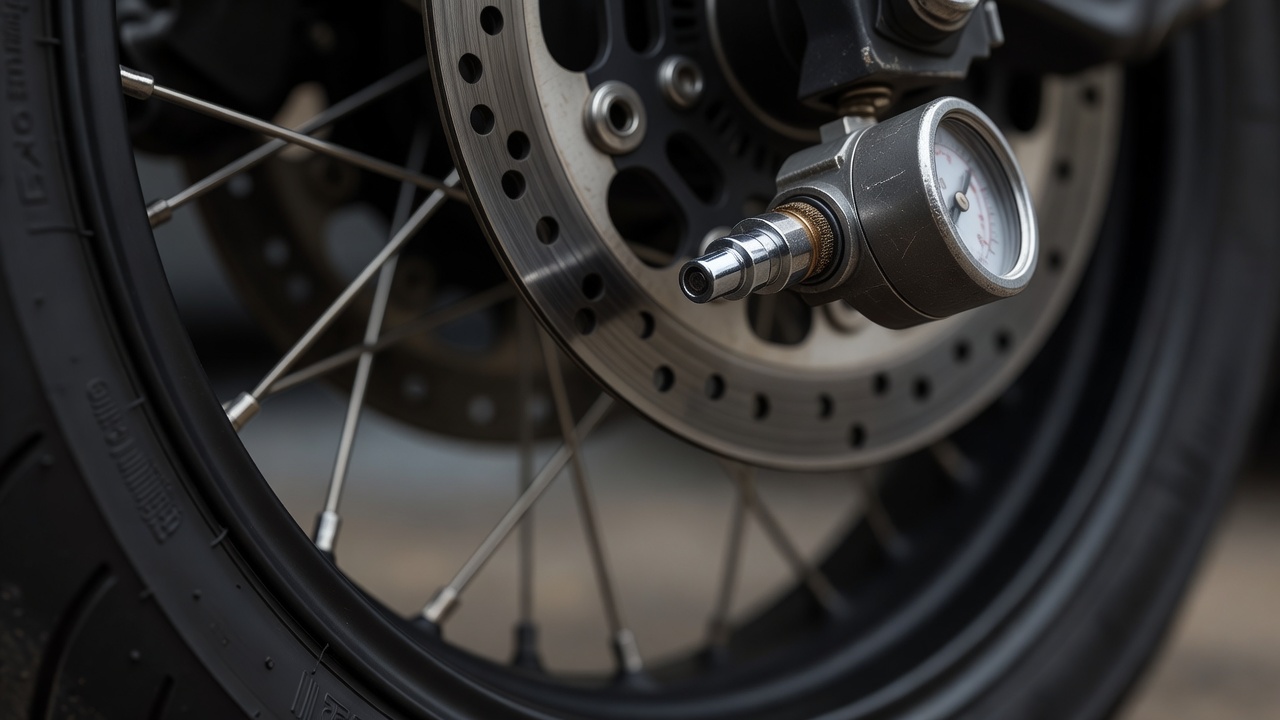
08:30 Walk round the bike: tyre pressures cold, chain tension or shaft oil, lights, brake feel, luggage fixings.
09:00 Ride the most demanding section first, while the roads are quiet and your hands are fresh.
11:00 Coffee stop. Drink water whether or not you feel thirsty; dehydration hides inside riding gear.
13:00 Long lunch off the bike. This is the day's decision point: continue as planned, shorten, or stop early.
16:00 Arrive. Refuel tonight so tomorrow begins with a full tank and no queue.
Preparing the motorcycle
Before a long trip, have the bike serviced early enough that any problems appear on local rides rather than on the first pass. Fit tyres with enough tread for the whole journey, or plan where you will replace them; specialist sizes can be hard to find in remote regions. Many riders use the Motorcycle Safety Foundation's T-CLOCS checklist as a pre-ride habit: Tires and wheels, Controls, Lights and electrics, Oil and fluids, Chassis, and Stands.
- Service completed at least two weeks before departure, then a shakedown ride fully loaded
- Tyres with tread for the full distance, and pressures adjusted for luggage and passenger
- Chain cleaned and adjusted, or shaft drive oil checked
- Spare bulbs or fuses, and the tools your own bike actually needs
- Owner's manual payload figure checked against rider, luggage and fuel weight
Documents, weather and buffer days
Outside your home country, check whether you need an International Driving Permit under the 1949 or 1968 conventions, and confirm that your insurance covers every country on the route. Carry digital and paper copies of your licence, registration and policy. Breakdown cover that includes repatriation of the motorcycle is worth reading carefully before you buy it.
Weather in the mountains changes faster than forecasts update. Check conditions at altitude, not just at your start point, and know which passes have webcams. When storms arrive, the right decision is usually the boring one: wait an hour, take the valley road, or stay another night. That is what buffer days are for. A trip with no spare days turns every delay into pressure, and pressure is where poor decisions begin.
Finally, share a simple plan with someone at home: today's route, tonight's stop, and when you expect to check in. In remote areas, agree what they should do if they do not hear from you.